
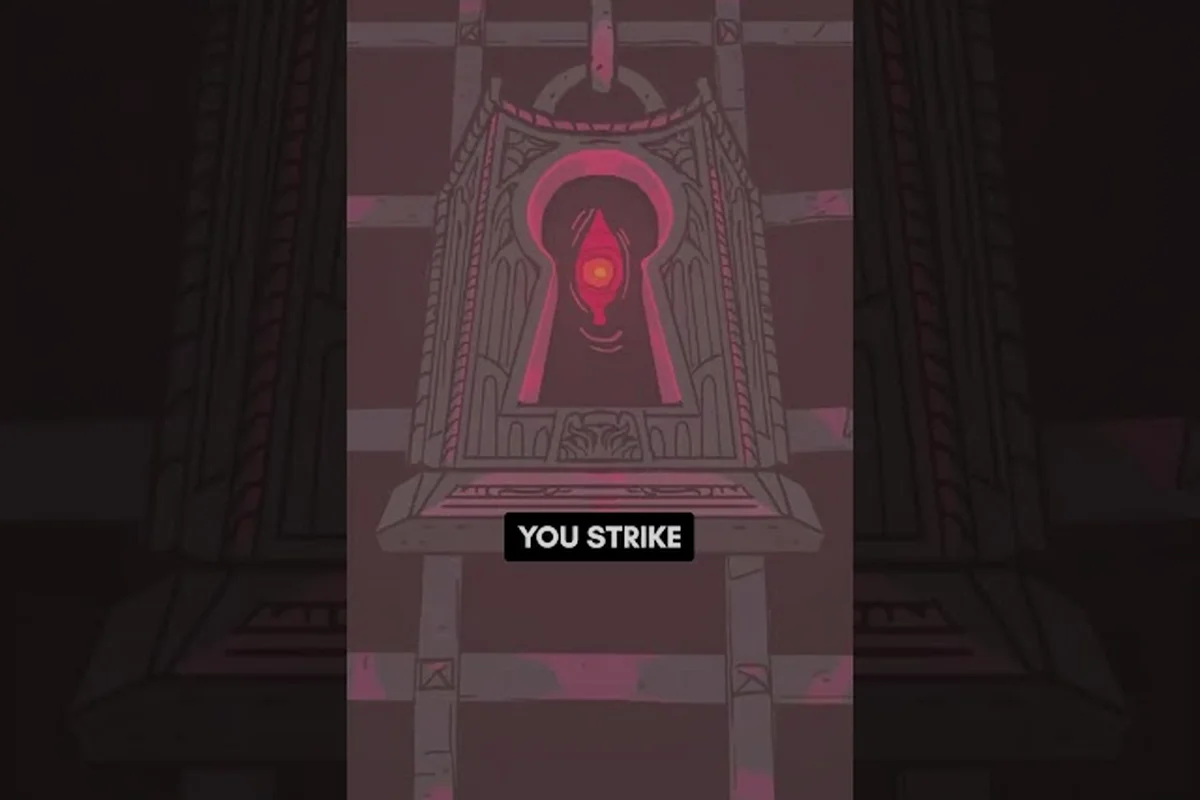
The Sovereign Tower time travel mechanic is the single most defining system in the game, and if you don't understand how the caged Demon's rewind works, you will waste hours repeating mistakes that a single well-timed reset could have fixed. This mechanic doesn't just rewind your clock; it rewrites your entire strategy, because your Sovereign keeps every memory from the timeline you erase, which unlocks alternate dialogue, new paths, and the crucial Omniscience stat that grows stronger with each reset.
Before we get into the advanced applications, you need to understand that this is not a save-scumming tool. The Sovereign Tower time travel mechanic is a narrative event with real consequences, so the erased timeline's good outcomes are lost forever when you rewind, which means you need to weigh every lost relationship, every completed quest, and every crafted item against whatever new information you will gain. The magic lies in knowing precisely when the cost of a reset is worth the permanent knowledge you carry forward, because that knowledge is the only currency that never disappears between cycles.
How the Sovereign Tower Time Travel Mechanic Unlocks Options
The sovereign tower crypts house the caged Demon, and that's where the entire time travel system lives. Early in your first cycle, you will receive a prompt to explore the basement levels beneath the main audience hall, and while the game frames this as a simple dungeon crawl, it's actually your introduction to the most powerful tool in your arsenal.
The Caged Demon and Your First Visit
When you first descend into the crypts, you'll find the Demon of the Crypts chained behind an ancient barrier, and the dialogue options here matter far more than the game initially lets on. The Demon will explain the terms of the deal: you offer a rewind, the world resets, but your Sovereign retains memories of the erased timeline. This is the core exchange of the mechanic — memory for progress — and you should never accept it casually.
According to hands-on previews from IGN and reports from players who have tested the system extensively, the first visit is scripted, but every subsequent trip into the crypts is entirely player-driven. You can visit the Demon as often as you like, but each rewind costs something specific that changes based on how many times you have already reset.
What Resets and What Persists
Understanding the persistence rules is where most players lose their runs. When you trigger a rewind, the following elements carry over: The sovereign tower demon offers rewinds at any point, but the smartest players build a decision framework around three distinct trigger types:
-
Preventing permanent loss — the first and most intuitive reason to rewind
-
Unlocking hidden knowledge — hidden conditions only surface after a failed attempt
-
Multi-cycle achievement optimization — achievement hunting across cycles
Each one demands a different evaluation of cost versus benefit. The sovereign tower demon offers rewinds at any point, but the smartest players build a decision framework around three distinct trigger types, and each one demands a different evaluation of cost versus benefit.
-
Sovereign memories — any knowledge you gained, including faction secrets, knight personalities, and hidden quest triggers, stays permanently unlocked
-
Omniscience stat — this attribute grows with every completed rewind and reduces the stat penalty for returning to previously experienced events
-
Achievement progress — meta-progression tied to the Steam achievement structure remains tracked
-
Court affiliations and knight loyalty — everything here resets to zero, requiring you to rebuild relationships from scratch
The erased timeline's good outcomes are lost forever, which is the trade-off the Demon never mentions in plain terms. You might have spent an entire season forging an alliance with the Merchant faction, but if you rewind to prevent a knight's death, that alliance vanishes as if it never existed. Community reports suggest that players who treat the time travel mechanic as a free undo button quickly find themselves stuck in loops, constantly resetting but never actually advancing their tower's permanent power.
Omniscience and the Long-Term Knowledge Economy
The Omniscience stat is the real reward of the sovereign tower time travel mechanic, and it transforms the game from a roguelike slog into a knowledge-driven strategy title. Every time you rewind and complete a cycle, you gain Omniscience points that permanently reduce the difficulty of tasks you have already performed successfully once before.
How Omniscience Affects Quest Success Rates
The stat works on a per-action basis rather than as a global multiplier. For example, if you successfully completed a Round Table quest that required a knight with at least 30 Valor and 25 Loyalty, then after a rewind, that exact quest type will display a slightly higher success rate when you assign a similar knight. The effect stacks across multiple cycles, which means your third attempt at a difficult quest chain will be noticeably easier than your first, even if you recruit different knights.
Players report that Omniscience becomes essential for the harder faction audiences that require precise responses to succeed. Since the game does not hold your hand through dialogue trees, the first time you encounter a Noble faction request, you might guess wrong and lose reputation. After a rewind, the correct answer feels more intuitive because your Sovereign remembers the context, and the game subtly highlights the option that aligns with your retained knowledge.
What Rewinds Really Cost Across Separate Playthroughs
Each rewind costs are governed by three realities: You can visit the Demon as often as you like, but each rewind costs something specific that changes based on how many times you have already reset. When you have mapped out the critical decision points, you rewind.
-
Timeline cost — each rewind costs more than just the timeline
-
Scaled pricing — the Demon's price scales with your progress
-
No free resets — you cannot simply reset at the first sign of trouble without paying a meaningful price The first and most intuitive reason to rewind is preventing a permanent death.
| Cycle Number | Resource Cost | Omniscience Gain | Risk Level |
|---|---|---|---|
| 1st Rewind | 500 Gold | +2 Points | Low |
| 2nd Rewind | 1,200 Gold + 1 Artifact | +3 Points | Moderate |
| 3rd Rewind | 2,500 Gold + 2 Artifacts | +4 Points | High |
| 4th Rewind | 5,000 Gold + 1 Relic | +5 Points | Severe |
This scaling cost structure forces you to treat each rewind as a strategic investment rather than a convenience tool. The gold and artifact requirements eat directly into your ability to build annexes and equip knights, so timing your resets around peak resource stockpiles is a critical skill that separates successful long-term runs from short-lived ones.
Rewind Timing: Handling Disasters Without Wasting Erasures
The most common question about the sovereign tower time travel mechanic is simple: when should I actually use it? The answer depends on what you are trying to preserve versus what you are trying to learn, because a rewind that saves a knight from death might cost you a faction alliance that took three seasons to build.
The sovereign tower demon offers rewinds at any point, but the smartest players build a decision framework around three distinct trigger types, and each one demands a different evaluation of cost versus benefit. Even experienced players fall into predictable traps with the sovereign tower demon, and recognizing these patterns early can save you from ruining an otherwise strong run.
Trigger One: Preventing Permanent Loss
The first and most intuitive reason to rewind is preventing a permanent death. Knights who lose all Armor Score die permanently in Sovereign Tower, and losing a high-tier knight like a goth knight or wolf knight archetype can cripple your Round Table for the entire cycle. If you are about to lose a knight with maximum Loyalty and top-tier stats, the rewind cost is almost always worth paying.
Trigger Two: Unlocking Hidden Knowledge
The second reason is knowledge acquisition. Some quest outcomes and faction interactions have hidden conditions that only appear after a failed attempt, and the time travel mechanic is the only way to access them. The game deliberately hides certain dialogue options behind the Omniscience system, so you may need to deliberately trigger a failed outcome, rewind, and then use the retained memory to open a completely different path.
Trigger Three: Multi-Cycle Achievement Optimization
The third reason is achievement hunting. Because the game tracks achievement progress across cycles, some achievements require you to complete specific actions in a single timeline, and a rewind can let you pivot to a different achievement set without abandoning the run entirely.
| Situation | Rewind? | Why |
|---|---|---|
| Knight at risk of death with high Armor Score | Yes | Permanent loss outweighs resource cost |
| Failed a faction audience for the first time | Yes | Retained knowledge unlocks better options |
| Mid-quest and running low on resources | No | The rewind cost is worse than completing the quest |
| Achievement requires a different faction path | Yes | Multi-cycle tracking makes this efficient |
Community reports from the official Sovereign Tower on Steam discussions suggest that players who rewind too early in a cycle often regret it, because the early game resource drain makes the Demon's price feel crippling. The best window is typically mid-season, after you have accumulated enough gold and artifacts to absorb the cost without stalling your annex construction.
The Crypts and Their Strategic Value
The sovereign tower crypts are not just a one-room visit; they are a recurring location that changes across cycles, and understanding their layout gives you a significant edge. While the Demon's cage is the main attraction, the crypts also contain hidden chests, lore fragments, and occasionally quest items that only appear under specific conditions.
Seasonal Variations in the Crypts
Reports from players who have completed multiple cycles indicate that the crypts become available at different times depending on your faction standing. If you have high approval with the Scholar faction, the crypts open earlier in the season, giving you more flexibility in when you can access the Demon. Conversely, low approval with the Mystic faction can delay your access, which means you need to plan your faction relationships carefully if you want early rewind options.
The crypts also serve as a litmus test for your tower's overall health. If you are struggling to clear the enemies in the crypts, that is a strong signal that your knight roster lacks the combat power needed for later quests, and a rewind might be justified to rebuild your recruitment strategy from a different angle.
Hidden Interactions with Court Positions
One advanced tactic that few players discover early involves the Intendant court position. If you assign a knight with high Intrigue to the Intendant role, they will occasionally uncover additional secrets in the crypts, including dialogue options with the Demon that reveal alternative rewind terms. According to community data, these alternative terms can reduce the resource cost of a rewind or increase the Omniscience gain, making the Intendant position far more valuable than its surface-level benefits suggest.
Advanced Rewind Strategy: The Two-Cycle System for Omniscience
Once you understand the basics, the next level of mastery is building a two-cycle strategy that deliberately leverages the sovereign tower time travel mechanic across consecutive runs. This approach requires patience, but it produces dramatically stronger towers than a one-cycle rush.
Cycle One: The Information Run
In your first cycle, your goal is not to win or to complete every quest; it is to gather information. You deliberately make mistakes, trigger failed outcomes, and explore dialogue trees that you know will end badly, all while building just enough infrastructure to survive. When you have mapped out the critical decision points, you rewind.
Because you kept your memories, cycle two begins with a complete understanding of which factions to prioritize, which knights to recruit, and which quests to avoid. Your Omniscience stat carries over, and every quest you failed in cycle one now shows a higher success rate in cycle two.
| Strategy Layer | Cycle One | Cycle Two |
|---|---|---|
| Primary Goal | Information Gathering | Full Completion |
| Resource Use | Minimal Spending | Max Investment |
| Quest Approach | Deliberate Failure | Optimized Success |
| Knight Management | Test Different Archetypes | Focus on S-Tier Roster |
Cycle Two: The Execution Run
The second cycle is where everything comes together. You know the exact stats required for each quest, the precise dialogue responses that maximize faction approval, and the annex build order that sustains your economy. Because of the intelligence advantage from cycle one, you can complete the same content in half the time, which means you have more seasons available for advanced quests and hidden achievements.
The key to the two-cycle system is resisting the urge to rewind during cycle two. If you planned correctly in cycle one, you should never need a mid-cycle reset in cycle two, because you already know the correct path. Players who violate this discipline often end up in an infinite loop, perpetually resetting because they never actually solve the underlying problem.
Common Mistakes with the Time Travel Mechanic
Even experienced players fall into predictable traps with the sovereign tower demon, and recognizing these patterns early can save you from ruining an otherwise strong run. The sovereign tower demon offers rewinds at any point, but the smartest players build a decision framework around three distinct trigger types, and each one demands a different evaluation of cost versus benefit.
Mistake One: Rewinding at the First Sign of Trouble
The most common error is treating the Demon as a panic button. If a quest fails or a knight takes heavy damage, the natural instinct is to reset, but minor setbacks are often recoverable without a full rewind. You can rebuild reputation, recruit new knights, and adapt your strategy, so a rewind should be reserved for catastrophic losses, not routine setbacks.
Mistake Two: Ignoring the Erased Timeline
Many players forget that the erased timeline's good outcomes are lost forever, and they only focus on what they gain. If you have built a strong relationship with the Lady of the Tower or unlocked a powerful attachment, rewinding destroys that progress. Always ask yourself whether the retained knowledge is worth more than the progress you are abandoning.
Mistake Three: Hoarding Rewinds
At the other extreme, some players never use the Demon because they are afraid of the cost. This is equally harmful, because the Omniscience stat is essential for late-game content. If you never rewind, you never gain the knowledge bonuses that make difficult quests manageable, and you will hit a wall in the mid-game where your success rates plateau below viability.
For a deeper look at the broader rewind options available, check our time rewind guide with full cost breakdowns, and if you need the exact steps to access the Demon's chamber, the how to rewind time walkthrough covers the dungeon path in detail.
Frequently Asked Questions
What exactly does the Sovereign Tower time travel mechanic preserve across rewinds?
The mechanic preserves your Sovereign's memories, the Omniscience stat, and any achievement progress tied to the Steam achievement system. Everything else resets, including faction standing, knight loyalty, annex construction, and treasury gold. You also lose access to the erased timeline's good outcomes, so completed quests and acquired items do not carry over.
Does the sovereign tower demon ever refuse a rewind?
The Demon sets a scaling price for each rewind, and if you cannot afford the resource cost, you cannot trigger the reset. As of the current build, the Demon does not refuse based on narrative reasons, but the escalating costs effectively limit how many rewinds you can perform in a single playthrough cycle.
Is there a limit to how many times I can rewind per cycle?
There is no hard limit, but the scaling cost structure makes repeated rewinds increasingly impractical. The first rewind costs 500 gold, while the fourth costs 5,000 gold plus a Relic, so most players find that two or three rewinds per cycle is the sustainable maximum before resource constraints make further resets impossible.
How does Omniscience affect faction audiences?
Omniscience reduces the success penalty for actions you have performed in previous cycles, which means faction audiences that require precise dialogue responses become more forgiving after you have experienced them once. The effect is specific to the exact audience type, so you still need to learn each faction's preferences individually.