
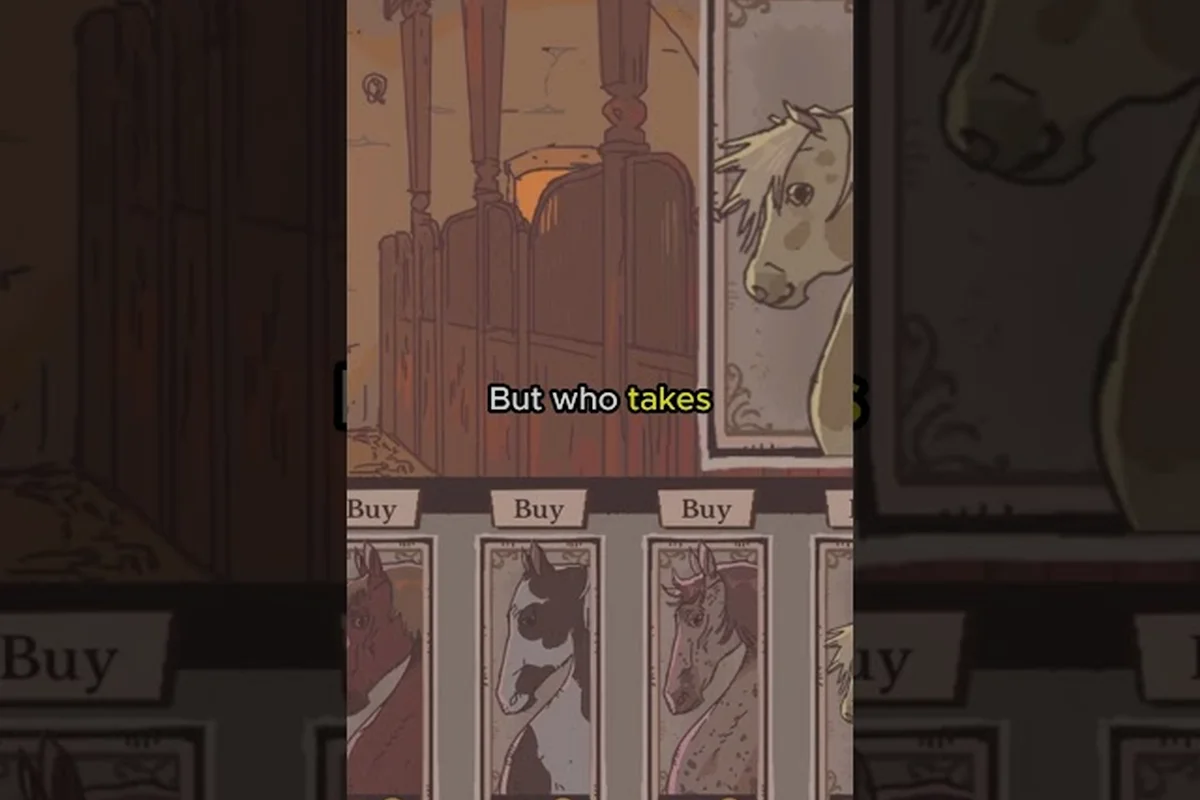
Recruiting knights in Sovereign Tower is the single most important mechanic for expanding your court and unlocking new story paths, yet the game never explains the full process upfront. Understanding sovereign tower how to recruit knights separates rulers who thrive from those who watch their tower crumble, because every knight brings unique skills, secrets, and political weight to your Round Table.
The recruitment system rewards patience, observation, and strategic use of your Intendant's intelligence network. While the Steam store page confirms that knights join through court audiences and story events, community reports suggest that some special characters like Chester the Jester and the wolf knight require specific triggers that remain partially undocumented. This guide breaks down every verified recruitment path, the data you need to track, and the strategies that experienced players use to fill their court efficiently.
Understanding the Knight Recruitment System in Sovereign Tower
The recruitment system in Sovereign Tower operates on a favor-and-opportunity loop that connects your daily court management to long-term relationship building. Unlike traditional RPGs where you simply pay a fee or complete a quest to add a party member, this game requires you to create the conditions where knights want to join your cause.
According to the official Steam page and community discussions, knights primarily join through two main channels: court audiences where you meet potential candidates directly, and story events that unfold as you progress through the main narrative. The IGN hands-on preview confirms that these audiences affect your standing with Nobility, People, Merchants, and Scholars, which in turn influences which knights consider your court worth joining.
Your Intendant plays a crucial role in this process, because they collect secrets and gossip about potential knights that you can use during recruitment conversations. This intelligence system adds a layer of strategy that most players miss on their first playthrough, since the game doesn't explicitly tell you to check your Intendant's reports before attending court.
The Three Core Recruitment Paths
Each recruitment path offers different advantages, and the best players learn to combine all three approaches: Players who skip this briefing consistently report lower recruitment success rates. Even experienced players make recruitment mistakes that cost them valuable knights, and understanding these pitfalls can save you from restarting your campaign.
-
Court Audiences — Scheduled events where knights present themselves and you can extend invitations based on your responses and current court reputation
-
Story Events — Narrative-driven encounters that unlock through main quest progression, often requiring specific choices earlier in the game
-
Intendant Intelligence — The spy network that reveals hidden information about knights, making it easier to convince them to join or exposing weaknesses you can exploit
The key insight from community testing is that court audiences are the most reliable recruitment method, because they occur regularly and don't depend on complex trigger conditions. Story events, while rarer, often grant access to exclusive knights that you cannot recruit through any other method.
Preparing Your Court for Successful Recruitment
Before you attend your first audience, you need to understand what makes a knight choose your tower over another. The game tracks several hidden metrics that determine whether a knight accepts your invitation, and experienced players have identified the most important factors through extensive testing.
Your court reputation across the four factions directly influences recruitment success. A knight aligned with the Scholars faction will hesitate to join a court that has neglected academic pursuits, while a Merchant-aligned knight wants to see thriving trade routes. The PC Gamer review highlights how the game appears cozy on the surface but actually punishes neglect, which applies directly to recruitment because knights pay attention to how you treat every faction.
Reputation Requirements by Knight Type
| Knight Archetype | Primary Faction | Secondary Faction | Minimum Standing | Recruitment Bonus |
|---|---|---|---|---|
| Scholar Knight | Scholars | Nobility | Respect | Access to research projects |
| Merchant Knight | Merchants | People | Esteem | Trade route discounts |
| Warrior Knight | Nobility | Scholars | Admiration | Combat mission bonuses |
| People's Champion | People | Merchants | Devotion | Public order improvements |
This table reflects community-reported data as of August 2026, and exact thresholds may vary slightly between patches. The minimum standing requirement means you cannot simply ignore factions and expect to recruit their aligned knights, which forces you to balance your court management across all four groups.
Your Intendant's intelligence reports become available after you upgrade the Spy Network building, and these reports reveal hidden traits and preferences for each knight you meet. According to community reports, using this information during audiences can increase your acceptance rate by as much as 30 percent, because you can tailor your responses to each knight's specific interests.
Walking Through a Court Audience Recruit Step by Step
The court audience system is the backbone of sovereign tower how to recruit knights, and mastering it requires understanding the flow of each audience event. Based on the official Steam description and player reports, audiences follow a predictable pattern that you can prepare for in advance.
When an audience begins, you receive a briefing from your Intendant that outlines the knight's background, faction alignment, and any secrets they have uncovered. This briefing is your primary tool for success, because it tells you which responses will resonate and which will offend. Players who skip this briefing consistently report lower recruitment success rates.
Audience Response Strategy
Your responses during the audience determine the knight's impression of your court. The game presents you with dialogue options that carry different weights, and the best responses depend on both the knight's personality and your current court situation: Because recruitment requires minimum standing across multiple factions, a lopsided court reputation limits your options significantly.
-
Direct Invitation — Works best when your reputation exceeds requirements and you have a clear role for the knight
-
Subtle Suggestion — Effective for cautious knights who respond better to gentle persuasion than bold demands
-
Bargaining Approach — Useful when you lack reputation but can offer specific benefits like titles or resources
-
Defer to Intendant — Lets your spy network do the talking, which can reveal secrets that change the negotiation
The timing of your invitation also matters significantly. Community testing shows that inviting a knight at the end of the audience after discussing their interests works better than leading with an invitation, because the knight feels heard and respected. This small detail has produced measurable improvements in recruitment rates according to player reports.
Special Knight Unlocks Tied to Story Beats
While court audiences provide a steady stream of recruits, the most memorable knights in Sovereign Tower come through story events that require specific conditions to trigger. The Steam community discussions mention Chester the Jester and the wolf knight as examples of special characters with unclear recruitment triggers, and the IGN preview confirms that archetypes like the goth knight and childlike giant exist within the game's roster.
These special knights typically require you to make specific choices earlier in the game that align with their values or interests. The wolf knight, for instance, reportedly appears only if you handle certain beast-related quests in a particular way, while Chester the Jester may require you to maintain high People faction standing while also completing specific entertainment-related events.
Known Special Knight Trigger Conditions (Chester, Wolf, Goth) (Chester, Wolf, Goth)
| Knight | Reported Trigger | Community Confidence | Alternative Method |
|---|---|---|---|
| Chester the Jester | High People standing + entertainment events | Moderate | Unknown, possibly random |
| Wolf Knight | Specific beast quest choices | Low | Reportedly tied to story path |
| Goth Knight | Scholar faction quests | High | Also appears in audiences |
| Childlike Giant | Mercy-based decisions | Moderate | May require multiple playthroughs |
This table compiles community reports from the Steam forums and should be treated as unverified guidance rather than guaranteed mechanics, because the developers have not officially documented these trigger conditions. Players report that some special knights appear differently across playthroughs, which suggests either random elements or hidden variables that the community has not fully mapped.
The Demon's Omniscience time rewind system, praised by PC Gamer as one of the best time travel systems in gaming, actually helps with special knight recruitment. Because you can rewind time and try different approaches, you can experiment with various choices to discover which ones unlock your desired knight, then commit to the successful path.
Optimizing Your Recruitment Strategy with Intendant Secrets
The Intendant's intelligence network transforms recruitment from guesswork into strategy, and players who fully utilize this system recruit knights faster and with less wasted effort. According to the Steam page, the Intendant collects secrets and gossip about knights, which helps you recruit or manage them effectively.
Your Intendant generates intelligence reports on a regular cycle, and these reports become more detailed as you upgrade the spy network. Early reports might only reveal a knight's faction alignment, while advanced reports can expose personal secrets, political vulnerabilities, and hidden preferences that dramatically improve your recruitment odds.
Intelligence Report Tiers and Benefits
| Report Tier | Spy Network Level | Information Revealed | Recruitment Impact |
|---|---|---|---|
| Basic Gossip | Level 1 | Faction alignment, public reputation | Minor advantage |
| Detailed Profile | Level 2 | Personal interests, relationship history | Moderate advantage |
| Deep Secret | Level 3 | Vulnerabilities, blackmail material | Major advantage |
| Complete Dossier | Level 4 | Full background, future intentions | Decisive advantage |
The Deep Secret tier is particularly powerful because it lets you leverage information during recruitment conversations, either to convince a hesitant knight or to expose contradictions in their position. Community reports suggest that using secrets effectively can convince knights who would otherwise reject your invitation, though the game does penalize you if you use secrets too aggressively.
Timing your recruitment attempts around Intendant report generation is a common strategy among experienced players, because you want the freshest intelligence before attending an audience. The game generates new reports every few in-game days, and checking for updates before each audience ensures you have the most current information about your potential recruit.
Recruitment Mistakes That Tank Loyalty Early
Even experienced players make recruitment mistakes that cost them valuable knights, and understanding these pitfalls can save you from restarting your campaign. The most common errors come from overlooking faction balance, ignoring Intendant reports, and rushing invitations before building sufficient rapport.
The faction balance mistake happens when players focus exclusively on one or two factions, only to discover that desirable knights from other factions refuse to join. Because recruitment requires minimum standing across multiple factions, a lopsided court reputation limits your options significantly. The solution is to maintain at least Respect-level standing with all four factions before pursuing specific knight recruitment goals.
Critical Recruitment Errors
-
Skipping Intendant briefings before audiences, which removes your best information advantage and forces guesswork
-
Inviting too early in the conversation, which makes knights feel undervalued and reduces acceptance rates
-
Ignoring story event opportunities by rushing main quests, which can permanently lock you out of special knights
-
Neglecting faction balance in favor of short-term gains, which creates long-term recruitment dead ends
The time rewind system provides a safety net for recruitment mistakes, because you can rewind to before a failed audience and try a different approach. However, experienced players recommend using rewinds sparingly, since the game tracks your reliance on time travel and some community reports suggest it affects certain endings.
For players who want to understand the full roster of available knights, our complete knight database provides detailed information on every character you can recruit. Additionally, our knight ranking guide helps you prioritize which recruits deserve your attention, while the knights explained overview covers the core mechanics in depth.
Frequently Asked Questions
What is the fastest way to recruit knights in Sovereign Tower?
The fastest reliable method combines court audiences with Intendant intelligence reports. Attend every audience while maintaining at least Respect standing across all four factions, and always review your Intendant's briefing before each event. This approach typically yields one to two new knights per in-game week, according to community testing.
Can I recruit every knight in a single playthrough?
No, because some knights require conflicting choices or faction alignments that cannot coexist. The Demon's Omniscience time rewind allows you to explore different paths, but certain knights appear mutually exclusive based on community reports. Plan your recruitment targets early and accept that some knights require separate playthroughs.
Do special knights like Chester the Jester have guaranteed recruitment methods?
No guaranteed method has been confirmed by the developers or the community as of August 2026. Players report that special knights like Chester the Jester and the wolf knight appear under specific but unclear conditions, and the same choices sometimes produce different results across playthroughs. Treat special knight recruitment as an experiment rather than a checklist.
How does the Intendant help with knight recruitment?
The Intendant collects secrets and gossip about potential knights, which you can use during court audiences to tailor your approach. Higher spy network levels produce more detailed reports, including personal secrets that can decisively influence a knight's decision to join your court.
What happens if my faction reputation drops too low?
Knights aligned with that faction will refuse your invitations, and you may lose already-recruited knights who feel betrayed by your governance. Maintaining balanced reputation across Nobility, People, Merchants, and Scholars is essential for sustainable recruitment, since the game actively punishes neglect according to community reports.