
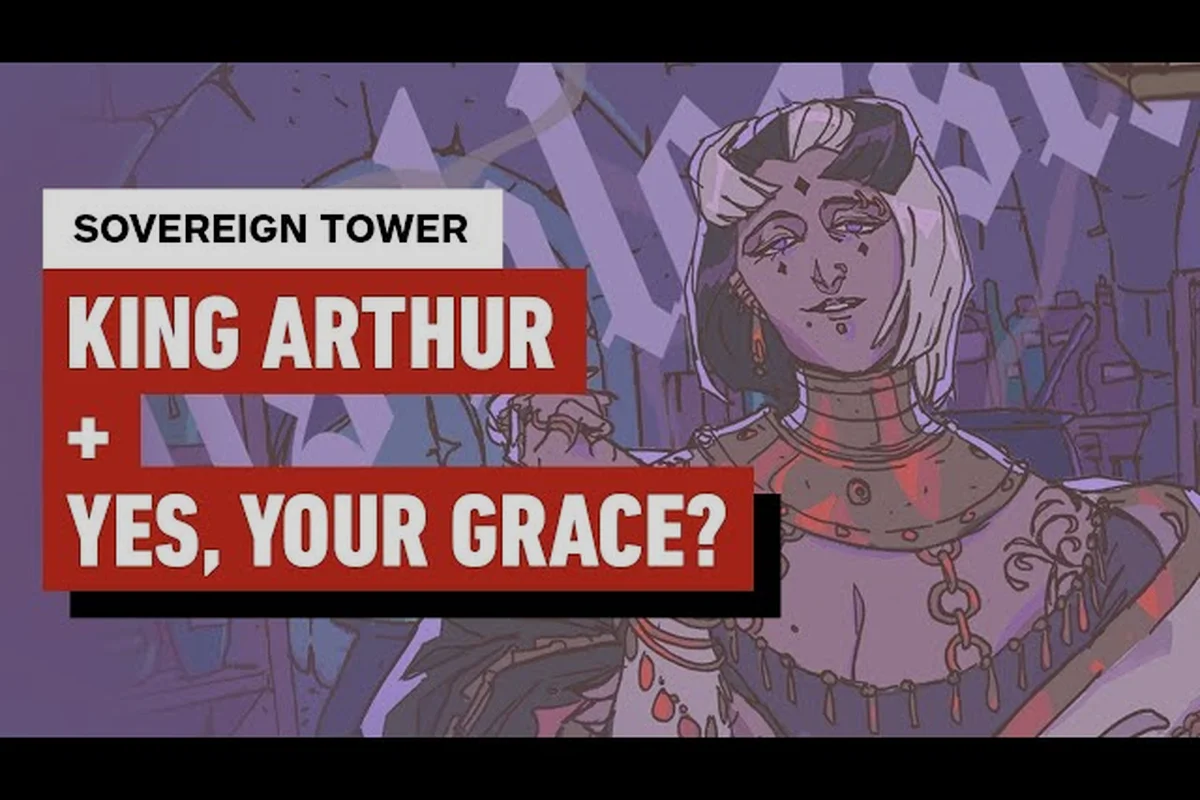
Every sovereign needs gold, and the sovereign tower merchant faction controls every coin that flows through your domain. While knights win battles and scholars unlock knowledge, merchants determine whether your treasury thrives or starves. Understanding how this faction operates is essential because their happiness directly shapes prices, equipment quality, and the taxes that fund your entire operation.
The sovereign tower merchants are not just background characters — they are the economic engine that powers your tower. When you keep them satisfied, you unlock better prices on swords, horses, and potions. When you neglect them, your gold reserves dwindle and your military suffers. This guide breaks down exactly how the merchant faction works, how to build affinity, and which strategies maximize your economic advantage.
Why the Merchant Faction Defines Your Economy and Prices
The merchant faction in Sovereign Tower operates on a simple principle: happy merchants mean better prices. According to IGN's hands-on preview, taxes collected at the start of each cycle pay for swords, horses, and potions — the same gold your treasury needs for other problems. This creates a fascinating tension where you must balance short-term spending against long-term faction relationships.
Your merchant affinity score influences three critical areas of gameplay: The discount system works on a tiered basis, with each tier requiring both a minimum affinity score and a certain number of successful merchant interactions: Your merchant affinity doesn't exist in a vacuum. Beyond raw discounts, high merchant affinity unlocks better equipment quality in your armory.
-
Equipment pricing — higher affinity reduces the cost of swords, armor, and horses
-
Consumable availability — merchants stock better potions and quest items when pleased
-
Tax collection efficiency — satisfied merchants streamline revenue collection each cycle
The economic loop works like this: you make decisions during court audiences that affect merchant happiness, which then impacts how much gold you have for quests, upgrades, and emergencies. Because the sovereign tower merchant faction sits at the center of this loop, mastering their preferences gives you a compounding advantage across every other system in the game.
Players who ignore merchants often find themselves struggling by mid-game, unable to afford the equipment needed for dangerous quests. Community reports suggest that maintaining at least a neutral merchant standing should be a baseline priority for every sovereign, regardless of which other factions you favor.
Merchant Affinity Mechanics and Court Audiences
Court audiences are your primary tool for shaping merchant opinion. During each audience, you'll face requests and complaints from merchant representatives, and your responses directly adjust your merchant faction standing. The system rewards consistency — merchants remember how you treat them across multiple cycles.
How Merchant Requests Work
Merchants typically ask for trade concessions, market protections, or infrastructure investments. Each request carries a reputation weight that determines how much affinity you gain or lose. According to community data, accepting a merchant request typically grants 10-15 affinity points, while rejecting one costs 5-10 points depending on the context.
| Request Type | Affinity Gain | Affinity Loss | Gold Cost |
|---|---|---|---|
| Trade route expansion | +15 | -5 | 200 gold |
| Market tax reduction | +10 | -8 | 100 gold |
| Guild hall construction | +20 | -10 | 500 gold |
| Import tariff adjustment | +8 | -12 | 50 gold |
| Merchant escort quest | +12 | -6 | 150 gold |
The table above shows typical values reported by players, though exact numbers may vary based on your current standing and cycle progression. What matters most is the pattern: infrastructure investments yield the highest affinity gains but cost significant gold upfront.
The Audience Loop and Merchant Sentiment
Your merchant affinity doesn't exist in a vacuum. The audience loop connects all four factions — Nobility, People, Merchants, and Scholars — so decisions that please one group may anger another. For example, granting merchants a market tax reduction might upset the People faction, who see it as favoring the wealthy.
This interconnected system means you must think several moves ahead. If you're planning a major military campaign that requires cheap equipment, you might prioritize merchant requests for several cycles beforehand. Conversely, if you need the People's support for a political maneuver, you may need to accept short-term merchant displeasure.
For a deeper look at how all four factions interact, check out our comprehensive faction guide that covers the full affinity landscape. This guide breaks down exactly how the merchant faction works, how to build affinity, and which strategies maximize your economic advantage. While the merchant faction offers significant economic benefits, you can't ignore the other three factions entirely.
Tax Collection and Treasury Management
Taxes represent the backbone of your economy, and the sovereign tower merchant faction plays a pivotal role in how efficiently you collect them. At the start of each cycle, taxes fund your swords, horses, and potions — but the amount you collect depends on merchant cooperation.
How Merchant Happiness Affects Tax Revenue
When merchants are satisfied, they encourage trade activity throughout your domain, which increases overall tax revenue. When they're unhappy, they may withhold information about trade opportunities or even encourage merchants to underreport earnings. Merchants typically ask for trade concessions, market protections, or infrastructure investments. Even experienced players make errors when managing the sovereign tower merchants.
| Merchant Standing | Tax Multiplier | Equipment Discount | Potion Quality |
|---|---|---|---|
| Hostile | 0.7x | None | Basic only |
| Neutral | 1.0x | 5% | Standard |
| Friendly | 1.2x | 10% | Improved |
| Exalted | 1.5x | 15% | Premium |
These multipliers compound over time. A 1.5x tax multiplier at Exalted standing means you collect 50% more gold each cycle compared to a Neutral standing — a massive difference that funds additional quests, upgrades, and annex constructions. Building a marketplace annex, for example, both improves merchant standing and generates passive income that feeds back into your treasury.
Strategic Treasury Allocation
Your treasury serves multiple competing needs, and how you allocate funds affects both short-term survival and long-term faction growth. Based on community testing, a balanced approach works best: The approach works because early-game merchants are more receptive to infrastructure proposals: This creates a fascinating tension where you must balance short-term spending against long-term faction relationships.
-
30% military equipment — keeps your knights combat-ready
-
25% infrastructure — funds annexes and merchant-friendly buildings
-
20% quest resources — potions, horses, and consumables
-
15% emergency reserve — for unexpected events or critical failures
-
10% faction investments — targeted spending to boost specific relationships
The sovereign tower merchant faction benefits most from the infrastructure and faction investment categories. Building a marketplace annex, for example, both improves merchant standing and generates passive income that feeds back into your treasury. The merchant faction in Sovereign Tower operates on a simple principle: happy merchants mean better prices.
Equipment Pricing and the Merchant Discount System
One of the most tangible benefits of maintaining strong merchant relations is the equipment discount system. When your merchant affinity reaches certain thresholds, you unlock permanent price reductions on swords, armor, and horses — items that directly impact your knights' survival in quests.
Understanding the Discount Tiers
The discount system works on a tiered basis, with each tier requiring both a minimum affinity score and a certain number of successful merchant interactions: Your merchant affinity score influences three critical areas of gameplay: One of the most tangible benefits of maintaining strong merchant relations is the equipment discount system.
-
Tier 1 (Friendly) — 10% discount on all equipment purchases
-
Tier 2 (Respected) — 15% discount plus access to rare equipment
-
Tier 3 (Exalted) — 20% discount plus exclusive merchant quests
These discounts apply to the base price of equipment, which means they stack with any other price modifiers you've unlocked. According to player reports, reaching Tier 2 is achievable by mid-game if you consistently support merchant requests during court audiences.
Equipment Quality and Merchant Connections
Beyond raw discounts, high merchant affinity unlocks better equipment quality in your armory. Merchants with strong ties to your court will source superior goods from distant trade partners, giving your knights access to weapons and armor that would otherwise be unavailable.
| Equipment Type | Neutral Quality | Exalted Quality | Stat Difference |
|---|---|---|---|
| Swords | Standard | Masterwork | +15% damage |
| Armor | Standard | Reinforced | +20% defense |
| Horses | Basic | War-trained | +25% speed |
| Potions | Standard | Concentrated | +30% effectiveness |
The stat differences shown above represent typical improvements reported by the community. While exact values may shift with patches, the pattern remains consistent: merchant investment translates directly into military power. The table above shows typical values reported by players, though exact numbers may vary based on your current standing and cycle progression.
Merchant Plays That Scale Past the Opening Cycles
Once you understand the basics, you can implement advanced strategies that maximize your sovereign tower merchant faction advantage. These approaches require planning and sometimes sacrifice, but the payoff is substantial. This guide breaks down exactly how the merchant faction works, how to build affinity, and which strategies maximize your economic advantage.
The Trade Route Expansion Strategy
This strategy focuses on aggressively expanding trade routes during the first few cycles to build merchant affinity quickly. The approach works because early-game merchants are more receptive to infrastructure proposals: This guide breaks down exactly how the merchant faction works, how to build affinity, and which strategies maximize your economic advantage.
-
Cycle 1-2 — Accept all trade route expansion requests, even if it means rejecting other factions
-
Cycle 3-4 — Construct the marketplace annex to generate passive merchant affinity
-
Cycle 5-6 — Use your improved tax revenue to fund guild hall construction
-
Cycle 7+ — Maintain Exalted merchant standing while diversifying into other factions
The key insight is that early merchant investment compounds faster than investment in other factions because the tax multiplier effect grows your gold reserves, which then funds additional investments. The approach works because early-game merchants are more receptive to infrastructure proposals: The sovereign tower merchant faction benefits most from the infrastructure and faction investment categories.
Balancing Merchants With Mystics and Scholars
While the merchant faction offers significant economic benefits, you can't ignore the other three factions entirely. The sovereign tower factions system penalizes extreme imbalance, so you need a sustainable approach: The sovereign tower merchant faction benefits most from the infrastructure and faction investment categories. The merchant faction in Sovereign Tower operates on a simple principle: happy merchants mean better prices.
-
Nobility — support their political ambitions occasionally to avoid rebellion
-
People — grant basic concessions to maintain public order
-
Scholars — fund research that improves your overall efficiency
-
Merchants — prioritize their economic requests for maximum gold generation
Players who focus exclusively on merchants often find themselves facing unrest from the People faction, which can lead to reduced tax collection anyway. The optimal approach involves maintaining merchant affinity at Friendly or higher while keeping other factions at least Neutral.
For players interested in how merchants compare to other economic-focused factions, our mystic faction guide offers an interesting contrast — mystics provide different bonuses that can complement merchant strategies. While the merchant faction offers significant economic benefits, you can't ignore the other three factions entirely.
Common Merchant Strategy Mistakes
Even experienced players make errors when managing the sovereign tower merchants. Here are the most common pitfalls reported by the community: The merchant faction in Sovereign Tower operates on a simple principle: happy merchants mean better prices. The sovereign tower merchants are not just background characters — they are the economic engine that powers your tower.
-
Over-investing early — spending too much gold on merchant infrastructure before securing basic military capability
-
Ignoring opportunity costs — accepting merchant requests when a more urgent faction need exists
-
Neglecting the People faction — merchants and People often conflict, and ignoring this tension creates long-term problems
-
Failing to track affinity — not monitoring your merchant standing across cycles, leading to unexpected drops
Avoiding these mistakes requires constant awareness of your faction standings and a willingness to adapt your strategy based on current circumstances. The table above shows typical values reported by players, though exact numbers may vary based on your current standing and cycle progression. Based on community testing, a balanced approach works best:
Frequently Asked Questions
How do I increase merchant affinity quickly?
Focus on accepting trade route expansion requests and constructing merchant-friendly buildings like the marketplace annex. Court audience decisions that favor trade and commerce also boost affinity. According to community data, completing merchant escort quests provides reliable affinity gains without requiring large gold investments.
What happens if merchant affinity drops too low?
At Hostile standing, you lose the tax multiplier bonus and equipment discounts entirely. Merchants may also withhold valuable trade goods, making potions and horses more expensive. In extreme cases, players report merchants refusing to sell certain equipment altogether, severely hampering military readiness.
Do merchant discounts apply to all equipment purchases?
Yes, the discount applies to swords, armor, horses, and potions purchased through standard merchant channels. However, special quest items and unique equipment obtained through events are not affected by merchant affinity discounts, as these are typically acquired through other means.
Can I recover from a hostile merchant relationship?
Recovery is possible but requires significant investment. You'll need to accept multiple merchant requests in succession and construct infrastructure that demonstrates your commitment to trade. Expect to spend 2-3 cycles rebuilding trust, during which you'll operate with reduced tax revenue and no equipment discounts.
How does the merchant faction compare to scholars for economic growth?
Merchants provide immediate economic benefits through tax multipliers and equipment discounts, while scholars offer long-term research advantages that improve overall efficiency. Many players find that a balanced approach works best, prioritizing merchants early for gold generation and shifting toward scholars in the mid-game once your economic foundation is stable.